
As we navigate 2026, India has solidified its position as a global leader in renewable energy. For the average homeowner or business owner in cities like Vadodara, solar power is no longer just a “green alternative”—it is a critical financial strategy. With grid electricity tariffs rising by nearly 5% annually and the groundbreaking PM Surya Ghar Muft Bijli Yojana aiming to power 1 crore households, the question has shifted from “Should I go solar?” to “How soon can I start?”
At Ascent Energy, we’ve seen firsthand how switching to the sun can transform a household’s finances and a business’s operational efficiency. In this deep dive, we explore the multi-faceted benefits of solar energy and why 2026 is the most lucrative year yet to make the transition. solar installation company in Vadodara
The most immediate and tangible benefit of solar installation is the “bill shock” relief.
One of the biggest solar panel benefits is the Return on Investment (ROI).
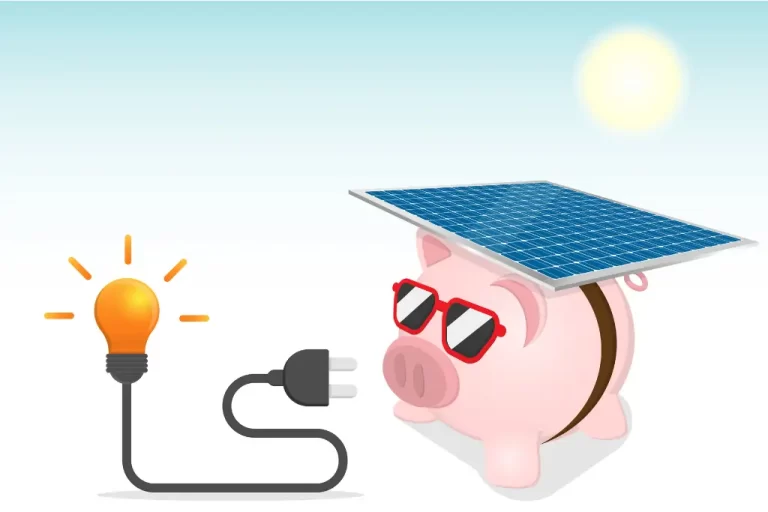
The Indian government has doubled down on its support in the 2026 Union Budget, allocating over ₹22,000 crore to the PM Surya Ghar: Muft Bijli Yojana.
In an era of global energy uncertainty, grid electricity prices are unpredictable. When you install a solar system from Ascent Energy, you are essentially “pre-purchasing” 25 years of electricity at a fixed, zero-cost rate. You are no longer at the mercy of DISCOM (Distribution Company) price hikes or fuel price fluctuations.
Solar technology in 2026 is significantly more advanced than a decade ago:
Modern homebuyers are tech-savvy and cost-conscious. A “Solar-Ready” home is a premium asset. Research shows that homes with installed solar systems sell faster and at a 3-5% higher valuation than those without. It is an upgrade that literally pays for itself twice—once through bills and once through resale.
A common myth is that solar panels are “fragile.” In reality, Tier-1 panels used by Ascent Energy are designed to withstand extreme Indian weather—from the scorching heat of Gujarat to heavy monsoons.
Every 1kW of solar installed is equivalent to planting approximately 50 trees in terms of carbon sequestration. By switching to solar, a single household can prevent over 30 tonnes of CO2 emissions over 25 years. In 2026, corporate sustainability is also a legal and social requirement (ESG goals), making solar a must-have for any reputable brand.
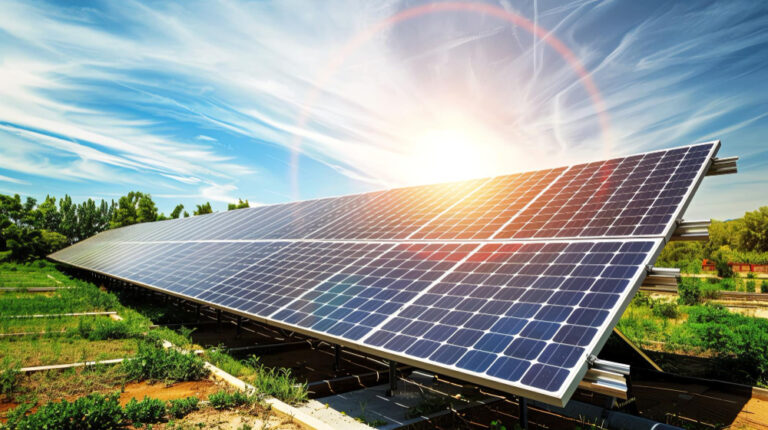
Transitioning to solar involves technical engineering, government paperwork, and long-term maintenance. Ascent Energy simplifies this through our proven 5-Step Solar Journey:
The convergence of record-high subsidies, falling panel prices, and rising electricity costs makes 2026 the “Golden Year” for solar in India. Delaying your installation is effectively losing money every single month.
Have a question or planning something new? Let’s talk. Our team will guide you with the right solutions tailored to your needs.
Have a question or planning something new? Let’s talk. Our team will guide you with the right solutions tailored to your needs.
Copyright ©2026 Ascent Energy. All Rights Reserved.
Designed by Globelectra