Introduction
As more homeowners in Gujarat seek sustainable energy solutions, the demand for solar power continues to rise. Solar energy is one of the best ways to reduce electricity bills, contribute to environmental sustainability, and increase energy independence. However, choosing the right type of solar system for your home can be challenging, especially with the two main options available: On-Grid and Hybrid Solar Systems.
At Ascent Energy, a leading solar energy company in Gujarat, we specialize in helping homeowners make informed decisions about their solar investments. In this blog, we will compare the two most popular solar systems — On-Grid and Hybrid Solar Systems — and help you decide which one is the best fit for your home in Gujarat.
What is an On-Grid Solar System?
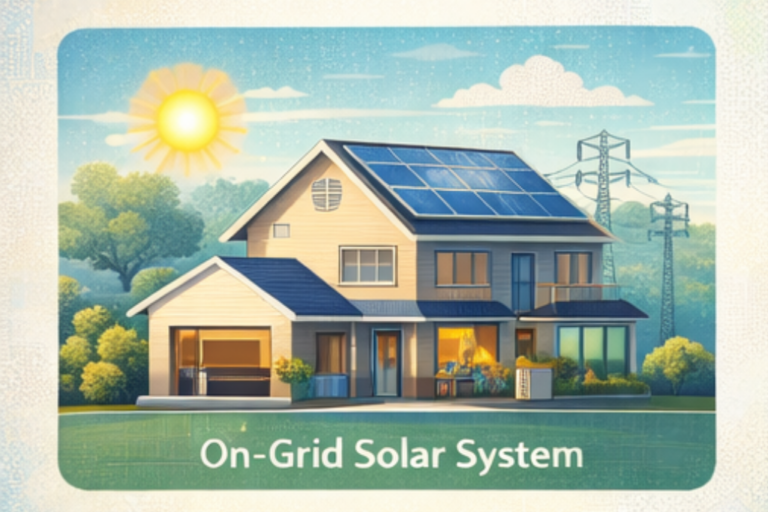
An On-Grid Solar System (also known as a Grid-Tied System) is a type of solar power system that is directly connected to the local electricity grid. This system generates electricity using solar panels during the day, and any surplus energy that is not used is fed back into the grid. On-Grid systems do not require batteries for energy storage, making them simpler and more cost-effective than other types of solar systems.
How an On-Grid Solar System Works:
- Solar Panels: Solar panels capture sunlight and convert it into electricity.
- Inverter: The inverter converts the direct current (DC) electricity produced by the solar panels into alternating current (AC) electricity, which is used by household appliances.
- Grid Connection: Any excess electricity generated is fed back into the electricity grid, earning the homeowner credits (through net metering) that can offset future energy costs.
What is a Hybrid Solar System?
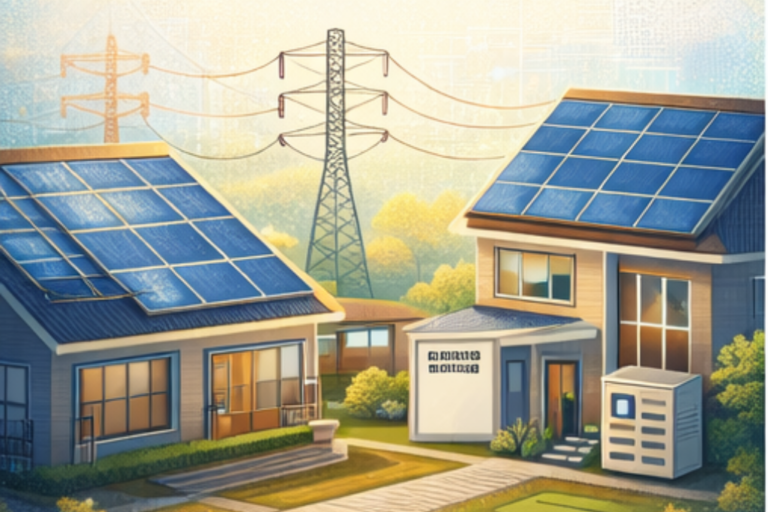
A Hybrid Solar System combines the features of both an On-Grid Solar System and an Off-Grid Solar System. It not only generates electricity from solar panels but also stores excess energy in batteries for later use. This means that a hybrid system offers greater flexibility, as it can provide power even when the electricity grid is down.
How a Hybrid Solar System Works:
- Solar Panels: Like On-Grid systems, solar panels generate electricity from sunlight.
- Inverter: The inverter converts DC electricity to AC electricity for home use.
- Batteries: Excess energy is stored in batteries for later use, especially during the night or during grid outages.
- Grid Connection: In case the stored energy in the batteries is insufficient, the system draws power from the grid to meet the household’s energy demands.
On-Grid vs. Hybrid Solar Systems: Key Differences
To determine which solar system is the best fit for your home in Gujarat, let’s take a closer look at the key differences between On-Grid and Hybrid Solar Systems.
1. Grid Dependency
- On-Grid Solar System: This system relies entirely on the electricity grid. While it produces electricity during the day, it doesn’t function during grid outages unless there is battery storage (in a modified setup). During grid power cuts, you will have no access to the solar energy generated unless the grid is restored.
- Hybrid Solar System: The Hybrid system is more self-sufficient because it can store excess energy in batteries. In case of power outages, the system can supply energy to your home using the stored electricity from the batteries, allowing you to continue using power even when the grid is down.
Conclusion: If uninterrupted power supply during outages is important to you, a Hybrid Solar System is the better choice.
2. Initial Investment and Cost
- On-Grid Solar System: On-Grid systems are more affordable than Hybrid systems because they do not require batteries. The cost is mainly for the solar panels, inverter, and installation. This makes On-Grid systems the most cost-effective option for homeowners who are primarily looking to reduce electricity bills.
- Hybrid Solar System: Hybrid systems are more expensive due to the inclusion of batteries. The upfront costs for a hybrid system can be significantly higher than an On-Grid system, as the batteries are an additional investment. However, with battery storage, you get greater energy independence and protection from grid outages.
Conclusion: If you’re looking for a budget-friendly solution and can rely on the grid, an On-Grid Solar System is the more affordable option. However, if you value energy independence and backup power, a Hybrid System is a longer-term investment.
3. Energy Storage and Usage
- On-Grid Solar System: The On-Grid system feeds excess power back into the grid. While you can earn credits through net metering, you cannot store this energy for future use. This means that any excess energy produced during the day is lost if it’s not immediately consumed by your household.
- Hybrid Solar System: A Hybrid system stores any excess energy in batteries for later use. This allows you to maximize the use of the energy you generate, especially during periods when the sun isn’t shining (such as at night or on cloudy days).
Conclusion: If you want to store excess energy for future use, especially for nighttime consumption, a Hybrid Solar System is the way to go.
4. Maintenance and Lifespan
- On-Grid Solar System: On-Grid systems generally have lower maintenance requirements since there are no batteries to monitor or maintain. The system involves fewer components, so maintenance is simpler and less expensive.
- Hybrid Solar System: Hybrid systems require more maintenance, particularly with the batteries. Batteries have a limited lifespan (typically 5-10 years) and may need to be replaced during the life of the system. Additionally, hybrid systems have more components that need to be maintained, which can increase the overall cost.
Conclusion: If you want low-maintenance and simpler operation, the On-Grid Solar System may be the better option. However, if you need energy storage and are willing to handle a bit more maintenance, a Hybrid System offers more flexibility.
5. Energy Independence and Security
- On-Grid Solar System: On-Grid systems are dependent on the grid for power. In the event of a grid outage or power failure, your solar panels will not function unless you have a battery backup. During power cuts, you would need to rely on the grid or a backup generator.
- Hybrid Solar System: With a Hybrid system, you are less dependent on the grid and can ensure energy security during power failures. Since excess energy is stored in batteries, you can continue to use your solar power during grid outages, providing greater energy independence.
Conclusion: If energy security and backup power are priorities, a Hybrid Solar System will provide peace of mind during power outages.
Which System is Right for Your Home in Gujarat?
In Gujarat, a state with abundant sunlight throughout the year, both On-Grid and Hybrid Solar Systems offer substantial benefits. The choice between the two depends on your specific energy needs, budget, and preferences:
- Choose an On-Grid Solar System if:
- You are looking for a cost-effective solution to reduce your electricity bills.
- Your home is not prone to frequent power outages.
- You don’t require battery storage for excess energy.
- You’re primarily looking to reduce dependence on grid power during the day.
- Choose a Hybrid Solar System if:
- You want backup power during grid outages and greater energy independence.
- You are willing to make a higher initial investment for long-term energy savings.
- You want to store excess energy for nighttime use or cloudy days.
- You need a reliable power solution in areas where the grid supply is unstable.
Why Choose Ascent Energy for Your Solar Installation?
At Ascent Energy, we are committed to providing the best solar solutions tailored to the unique needs of Gujarat homeowners. Whether you opt for an On-Grid Solar System or a Hybrid Solar System, our team of experts ensures that your solar installation is designed for maximum efficiency and savings. Here’s why you should choose Ascent Energy:
- Expert Consultation: We offer free consultations to understand your energy requirements and recommend the best solar solution for your home.
- Customized Solar Solutions: Our team designs solar systems that are tailored to your energy consumption patterns, roof size, and budget.
- Seamless Installation: Our experienced technicians ensure a smooth, hassle-free installation process from start to finish.
- Maintenance and Support: We offer post-installation support, including maintenance and troubleshooting, to ensure your system performs optimally.
Conclusion: Invest in Solar for a Sustainable Future
Whether you choose an On-Grid Solar System or a Hybrid Solar System, installing solar panels is a smart investment for your home in Gujarat. The benefits of solar energy, including reduced electricity bills, increased energy independence, and environmental sustainability, are clear. By working with Ascent Energy, you’re ensuring that your solar system is installed by the best in the industry, providing you with long-term savings and reliability.
Contact Ascent Energy today to discuss your solar energy options and get started on your journey toward a more sustainable and energy-efficient home!