
AI, IoT & Smart Solar Systems: How Technology Is Redefining Solar Performance in 2026
Introduction: Solar Is No Longer Just Panels and Wires
Solar energy has traditionally been seen as a hardware-driven industry – panels, inverters, structures, and cables. But that perception is rapidly changing.
As we move into 2026, solar power is becoming intelligent.
Artificial Intelligence (AI), Internet of Things (IoT), and smart monitoring technologies are transforming solar systems from passive energy generators into self-optimizing, data-driven power plants. These technologies are improving efficiency, reducing downtime, and maximizing long-term returns for solar owners.
This blog explores how smart solar systems are redefining performance and why technology integration is becoming essential for modern solar installations.
What Are Smart Solar Systems?
Traditional ground-mounted solar plants require:
- Large open land parcels
- High land acquisition costs
- Long approval timelines
- Environmental clearances
In a country like India where land is scarce, expensive, and politically sensitive, this creates delays and resistance. To achieve long-term renewable energy targets, India needs smarter solar deployment models.
Role of IoT in Solar Energy Systems
What Is IoT in Solar?
IoT refers to connected sensors and devices that collect and transmit real-time data from solar installations.
In solar systems, IoT sensors track:
- Panel output
- Inverter efficiency
- Voltage and current levels
- Temperature
- Grid interaction
- Battery performance
This data is sent to cloud platforms for analysis and control.
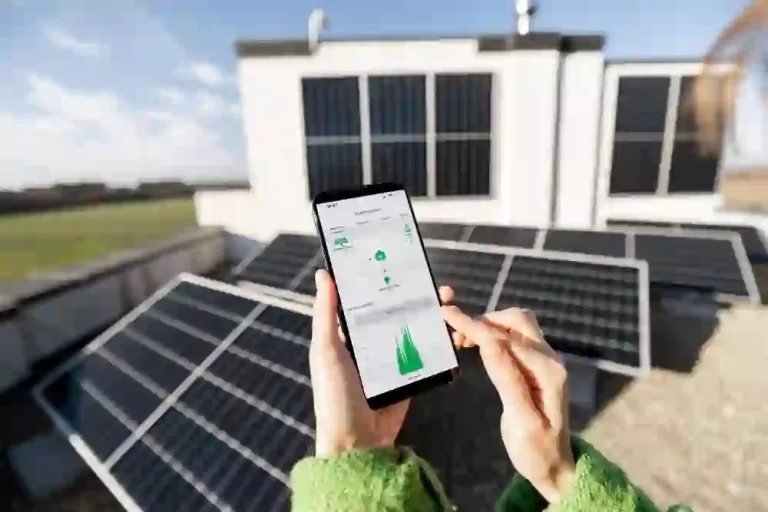
Benefits of IoT-Based Solar Monitoring
Real-Time Performance Tracking
Owners can monitor energy generation and consumption from anywhere using mobile or web dashboards.
Faster Fault Detection
Issues like panel failure, inverter faults, or wiring problems are identified instantly.
Reduced Downtime
Immediate alerts allow quicker maintenance, minimizing energy loss.
Better Energy Management
IoT enables smarter decisions on when to consume, store, or export energy.
How AI Is Transforming Solar Performance
Artificial Intelligence uses machine learning algorithms to analyze large volumes of solar data and optimize system performance automatically.
AI systems learn from:
- Historical performance data
- Weather patterns
- Load behavior
- Grid conditions
Based on this analysis, they continuously improve system efficiency.
Key AI Applications in Solar
1. Predictive Maintenance
AI identifies patterns that indicate potential failures before they occur, reducing breakdowns and repair costs.
2. Generation Forecasting
AI accurately predicts solar output based on weather data, helping manage energy usage and storage.
3. Performance Optimization
AI adjusts inverter behavior and load distribution to maximize energy output.
4. Battery Management
AI improves charging and discharging cycles, extending battery lifespan.
Smart Inverters: The Brain of Modern Solar Systems
Smart inverters are critical components of intelligent solar systems. They do much more than convert DC to AC.
Capabilities include:
- Grid interaction control
- Voltage and frequency regulation
- Battery integration
- Remote software updates
- Fault detection
Smart inverters enable seamless integration of AI and IoT technologies.
Smart Solar for Residential Applications
For homeowners, smart solar systems offer:
- Real-time energy visibility
- Optimized self-consumption
- Automatic backup management
- Reduced electricity bills
- Longer system life
Mobile apps allow users to track savings, performance, and system health effortlessly.
Smart Solar in Commercial and Industrial Projects
For businesses and industries, smart solar delivers:
- Detailed energy analytics
- Load optimization
- Reduced operational costs
- Predictable energy output
- Improved ROI
Large-scale installations benefit the most from AI-driven performance optimization.
AI and IoT in Solar + Battery Storage Systems
Smart solar systems work seamlessly with battery storage by:
- Optimizing charging schedules
- Avoiding deep discharge cycles
- Managing peak demand
- Ensuring power availability during outages
This integration is critical for hybrid and off-grid systems.
Challenges in Smart Solar Adoption
Despite advantages, challenges include:
- Higher initial cost
- Need for skilled system design
- Data management complexity
- Integration with legacy systems
However, falling technology costs and rising energy prices are accelerating adoption.
Why Smart Solar Is the Future in India
India’s energy future demands:
- Higher efficiency
- Lower operational cost
- Grid stability
- Energy independence
Smart solar systems address all these requirements, making them essential rather than optional.
Role of EPC Companies in Smart Solar Deployment
Deploying intelligent solar systems requires:
- Advanced system design
- Correct hardware selection
- Software integration
- Long-term monitoring support
Experienced EPC partners ensure systems deliver consistent performance throughout their lifecycle.
What to Expect in 2026 and Beyond
In the coming years:
- AI-driven optimization will become standard
- Remote monitoring will be mandatory
- Battery intelligence will improve
- Smart solar will replace conventional systems
Solar projects will increasingly be evaluated on performance data, not just installation capacity.
Conclusion
For homeowners, businesses, and industries, investing in smart solar solutions ensures higher efficiency, lower costs, and future readiness. Solar is no longer just about producing power – it’s about producing power intelligently.