
Solar energy adoption in India has grown rapidly over the last decade. From residential rooftops to large industrial installations, solar power is now a mainstream energy choice. However, despite its benefits, one major issue continues to limit its full potential: power intermittency.
Solar panels generate electricity only when sunlight is available. At night, during cloudy weather, or in case of grid failures, solar generation drops or stops completely. This creates dependency on the electricity grid or diesel generators, especially for homes, businesses, and industries that require uninterrupted power.
This is where solar + battery storage systems are transforming the energy landscape. By storing excess solar energy and making it available when needed, battery storage is solving the biggest weakness of solar power in India.
Power intermittency refers to the inconsistent availability of electricity due to supply fluctuations. In India, this issue is common due to:
Even in urban areas, unexpected outages can disrupt daily life and business operations. For industries, power interruptions can cause production losses, equipment damage, and increased operational costs.
Solar energy reduces electricity bills, but without storage, it does not fully eliminate these problems.
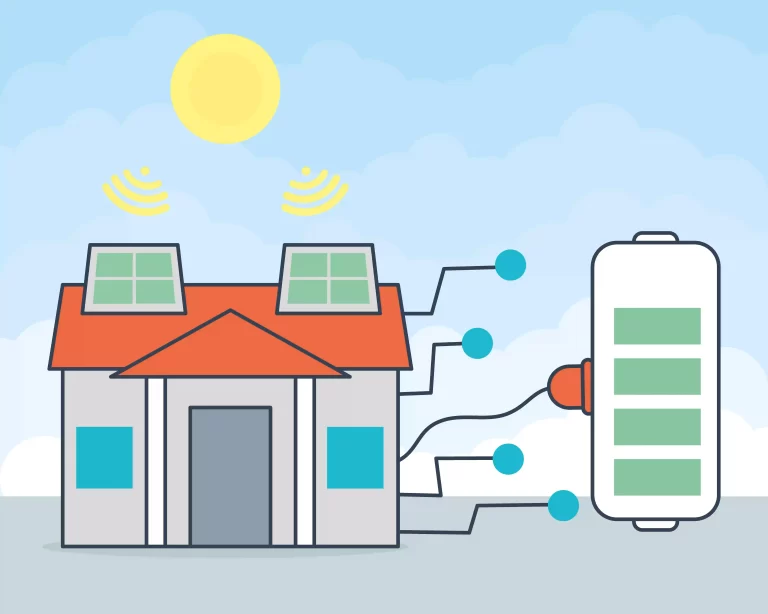
1. On-Grid Solar With Battery Backup
2. Hybrid Solar Systems
3. Off-Grid Solar Systems
Lithium-Ion Batteries
Lithium Iron Phosphate (LiFePO4)
Lead-Acid Batteries
Gradually being replaced by lithium options
Battery storage ensures uninterrupted electricity during power cuts, eliminating dependence on inverters or diesel generators.
Stored solar energy reduces reliance on high-cost grid power during peak hours.
Battery systems replace noisy, polluting, and expensive diesel generators with clean energy.
Energy storage protects users from voltage fluctuations and unstable grid supply.
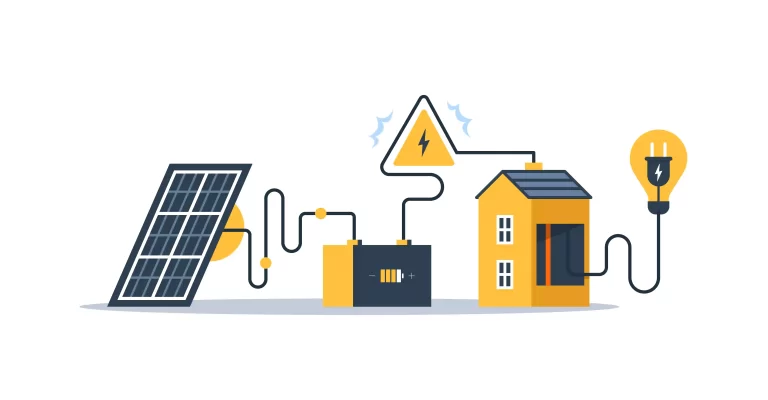
For homes and apartments, solar + battery systems provide:
A properly sized system can power lighting, fans, refrigerators, internet, and essential appliances during outages
For offices, hospitals, schools, factories, and warehouses:
Battery storage allows businesses to perform peak shaving and load shifting, significantly optimizing energy costs.
The cost of solar battery storage depends on:
Although lithium batteries have a higher initial cost, their longer lifespan and lower maintenance offer better long-term returns.
Savings come from:
With declining battery costs and rising electricity tariffs, solar + storage is becoming the future of energy in India. Government policies, technological advancements, and increasing awareness are accelerating adoption across residential, commercial, and industrial sectors.
Energy independence is no longer a luxury. It is becoming a necessity.
Solar energy alone reduces electricity bills, but solar combined with battery storage delivers true reliability and independence. By addressing power intermittency, battery storage transforms solar into a 24/7 energy solution.
For Indian homes, businesses, and industries, investing in solar + battery systems is a future-proof decision that delivers long-term savings, stability, and sustainability.
Have a question or planning something new? Let’s talk. Our team will guide you with the right solutions tailored to your needs.
Have a question or planning something new? Let’s talk. Our team will guide you with the right solutions tailored to your needs.
Copyright ©2026 Ascent Energy. All Rights Reserved.
Designed by Globelectra