
With increasing awareness about environmental sustainability and energy independence, many homeowners are turning to renewable energy solutions. Solar panels for home use have emerged as one of the most popular and cost-effective solutions in 2025. As the cost of solar energy continues to decrease, more and more households are adopting this green energy source. If you’re considering installing solar panels for home use, here’s an in-depth look at the top benefits they offer, and why switching to solar energy is a smart investment.
In this guide, we will break down everything you need to know about solar panel cost in 2025, how much you can save on energy bills, and the overall financial benefits of switching to solar energy.
One of the most compelling reasons to invest in solar panels for home is the reduction in electricity bills. Solar panels generate electricity by harnessing the sun’s energy, which means you no longer need to rely solely on the grid for power. This results in substantial savings, especially if you live in an area with high electricity rates.
Here’s how it works: once your solar system is installed, it starts producing electricity for your home. This means you can use the power generated by your solar panels for your daily electricity needs, significantly reducing or even eliminating the need to buy electricity from your utility provider. This can lead to a reduction in your monthly energy bills of up to 80-90%, depending on the size of the system, your energy usage, and the location.
For example, if your current monthly electricity bill is ₹6,000, you could save ₹4,800 or more each month with a solar system. This savings would add up to ₹57,600 annually. The financial benefits become even more pronounced over time as the cost of electricity continues to rise.
Installing solar panels for home use can also increase the value of your property. Homes with solar panel systems are more attractive to potential buyers because they offer the promise of lower energy bills and energy independence. According to recent studies, homes with solar panels sell for up to 4% more than comparable homes without solar installations.
This means that even though you may be making an upfront investment in solar panels, you are simultaneously increasing the resale value of your home. This can be especially beneficial if you plan to sell your home in the future. Buyers today are becoming increasingly conscious of energy efficiency and sustainability, and homes with solar panels are considered to be more desirable due to their cost-saving potential and environmental benefits.
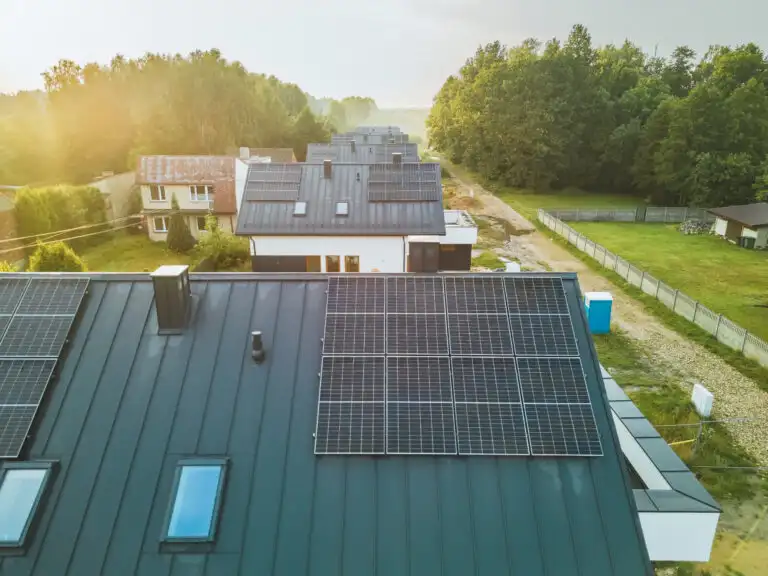
One of the most significant advantages of installing solar panels for home use is the positive impact on the environment. Solar energy is a clean, renewable energy source that does not produce harmful emissions or pollutants, unlike fossil fuels such as coal or natural gas. By choosing solar power, homeowners contribute to reducing their carbon footprint and the harmful effects of climate change.
The installation of solar panels on a typical home can prevent the emission of several tons of carbon dioxide (CO2) per year. To put this into perspective, one solar panel system can offset the same amount of CO2 as planting hundreds of trees. Therefore, by adopting solar energy, you are actively participating in the global effort to reduce greenhouse gas emissions and combat climate change.
Installing solar panels for home use gives homeowners a sense of energy independence. By generating your own electricity, you reduce your dependence on utility companies and the grid. This is particularly important in regions where electricity prices are rising, or in areas where power outages are common. Solar energy systems, especially when paired with energy storage solutions (batteries), allow homeowners to store excess energy for use at night or during periods of high energy demand.
Having your own energy source also provides peace of mind during power outages. When there’s a blackout, a solar system with battery storage can continue to provide power to your home. This added security makes solar energy systems particularly valuable in areas with unreliable grid service.

Once your solar system is installed, it requires very little maintenance. Solar panels are designed to be durable and long-lasting, with most systems having a lifespan of 25 to 30 years. The only maintenance typically needed is periodic cleaning to remove dust and debris, especially if you live in a dusty area or near trees.
Additionally, most solar systems come with a warranty that covers the equipment for 20-25 years, so any potential issues that arise during that period will likely be covered by the manufacturer. The minimal maintenance requirements make solar panels a hassle-free energy solution.
In many countries, including India, the government offers a range of incentives, rebates, and subsidies to encourage homeowners to install solar panels for home use. These financial incentives are designed to reduce the initial upfront cost of solar systems, making them more affordable for homeowners.
For example, the Indian government provides subsidies that can cover up to 40% of the total installation cost for residential solar systems, depending on the system size and location. Additionally, there are state-level incentives that offer further rebates and support, such as low-interest loans or tax exemptions.
In addition to government incentives, you may be eligible for net metering, a system that allows you to sell excess electricity back to the grid. This can further offset your solar panel for home investment by providing you with credits or payments for the electricity your system generates but doesn’t use.
One of the most appealing aspects of solar panels for home use is their ability to protect you from rising energy prices. Electricity rates have been steadily increasing over the years, and they are expected to continue rising in the future. With solar panels, you can generate your own electricity, which means you are less vulnerable to price hikes from your utility provider.
By installing solar panels, you essentially lock in your energy costs at a fixed rate. Once the system is installed and paid off, your electricity is essentially free, and you can enjoy the benefits of clean, renewable energy for the next 25-30 years.
Another key benefit of solar panels for home is the flexibility and scalability they offer. You can start with a smaller system that meets your immediate energy needs, and later expand it as your energy consumption increases or your home expands. For example, if you purchase a 3kW solar system but later decide you want to add a pool or additional appliances, you can upgrade your system by adding more panels.
This scalability allows you to tailor your solar energy solution to your current needs while providing the flexibility to grow as your household’s energy consumption changes over time.
For those interested in living off the grid, solar panels for home use offer a viable solution. With the combination of solar panels and battery storage systems, homeowners can completely disconnect from the traditional utility grid. This makes it an excellent option for homes in remote locations or areas where access to grid power is limited or expensive.
Off-grid living with solar energy allows homeowners to be completely self-sufficient in terms of their energy needs. It also provides the freedom to avoid the ever-increasing costs of electricity from the grid.
The installation of solar panels for home use offers a wide range of benefits, from significant savings on energy bills to increasing property value and contributing to a more sustainable future. With the decreasing cost of solar energy and continued government incentives, it’s easier than ever to make the switch to solar power.
Whether you’re looking to save money, reduce your carbon footprint, or achieve energy independence, installing solar panels is a smart and worthwhile investment. As energy costs rise and environmental concerns grow, solar panels provide a long-term solution that benefits both your wallet and the planet.
For more information on residential solar systems, visit Ascent Energy Residential Solar.
Have a question or planning something new? Let’s talk. Our team will guide you with the right solutions tailored to your needs.
Have a question or planning something new? Let’s talk. Our team will guide you with the right solutions tailored to your needs.
Copyright ©2026 Ascent Energy. All Rights Reserved.
Designed by Globelectra