
The demand for solar energy has surged in recent years, and as we enter 2025, solar panel cost continues to decrease, making this renewable energy source more accessible to homeowners than ever before. If you’ve been considering solar panels for your home, now is a great time to make the switch. But before making this significant investment, it’s important to understand the solar panel cost, the factors that influence it, and the potential savings over time.
In this guide, we will break down everything you need to know about solar panel cost in 2025, how much you can save on energy bills, and the overall financial benefits of switching to solar energy.
As of 2025, the solar panel cost has significantly dropped, making solar power more affordable for homeowners. According to industry reports, the average cost for installing solar panels in India ranges between ₹35,000 to ₹50,000 per kilowatt (kW) of installed capacity. This means that the price for a typical 5kW system for a residential home would range from ₹1.75 Lakhs to ₹2.5 Lakhs, depending on the brand, installation complexity, and other factors.
However, this price can vary significantly based on a variety of factors, including the size of the system, the efficiency of the panels, the installation complexity, and your geographic location. While the upfront costs might seem high, the long-term savings and financial incentives make solar panels a worthwhile investment.
Let’s dive into the specific factors that affect the solar panel cost for your home and how you can estimate the cost of your system.
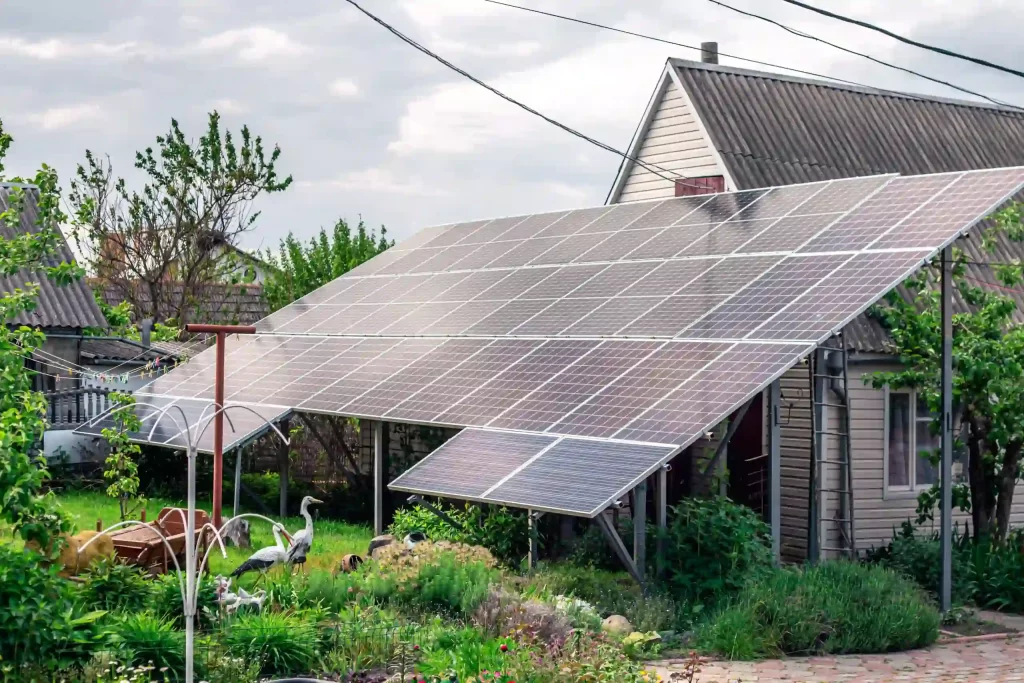
There are several factors that affect the price of solar panels. Understanding these can help you make an informed decision about which system is right for your home and budget.
The size of your solar system will have a direct impact on the overall solar panel cost. A system’s size is measured in kilowatts (kW), and the larger the system, the higher the cost. Typically, a residential solar system ranges from 3kW to 5kW, though some larger homes may require a 10kW or higher system to meet their energy needs.
There are various types of solar panels, each offering different levels of efficiency. The more efficient the panel, the less area is needed to generate the same amount of electricity. Monocrystalline panels tend to be the most efficient, but they also come with a higher price tag.
The solar panel cost is higher for monocrystalline panels, but their efficiency means that you will need fewer panels to meet your energy needs, potentially lowering installation costs in the long term.
The cost of installation is another important factor that influences the solar panel cost. If your roof is easy to work with—flat, unobstructed, and accessible—installation will be less expensive. However, if your roof is steep or has obstacles, such as trees or chimneys, installation may require more work and thus increase the cost.
Additional installation costs may also arise if you need to upgrade your electrical system or install a battery for energy storage. These extra costs should be considered when estimating the overall solar panel cost.
The geographic location of your home can have a significant impact on solar panel cost. In urban areas, where solar energy is more widely accepted and installers are more common, the installation process may be cheaper. In rural or less populated areas, the cost of installation may be higher due to limited availability of installers and increased transportation costs.
Additionally, some states offer better incentives, making installation more affordable. For example, the Gujarat Energy Development Agency (GEDA) provides state-level subsidies and support programs that can significantly lower solar panel cost for residents in Gujarat.
One of the key factors reducing solar panel cost is the government’s support for renewable energy. In India, the Ministry of New and Renewable Energy (MNRE) offers several incentives and subsidies to promote solar adoption, making solar energy more affordable for homeowners. These financial incentives can significantly lower the upfront cost of solar systems.
These government programs can dramatically reduce the solar panel cost, making it an even more attractive option for homeowners.
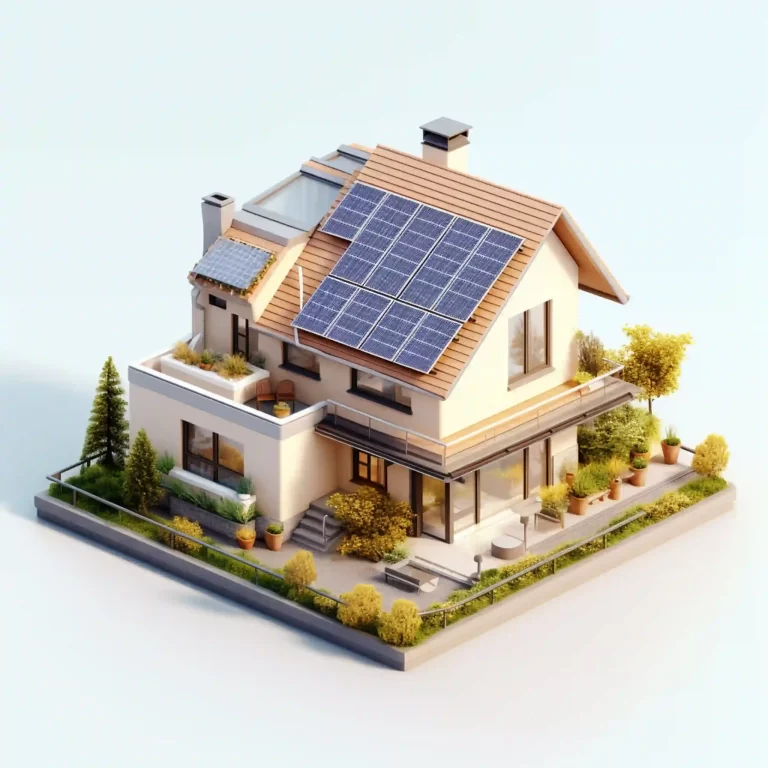
The solar panel cost is an investment that pays off over time. The key reason homeowners opt for solar panels is the potential to reduce energy bills. Let’s take a closer look at how much you can save.
Once installed, a solar panel system can significantly reduce or even eliminate your electricity bills. A 5kW system can reduce a monthly electricity bill by up to 90%, depending on your energy usage and location.
For example, if you currently pay ₹5,000 per month for electricity, installing solar panels can lower that bill to as little as ₹500, saving you ₹4,500 per month. This equates to ₹54,000 annually.
The ROI on solar panels is impressive. On average, homeowners see a payback period of 5 to 7 years, after which the electricity generated is free for the remaining lifespan of the system (typically 25-30 years). The savings you make after this period could amount to lakhs of rupees.
Additionally, as electricity prices continue to rise, solar energy offers protection from future price hikes. With solar power, you lock in your electricity rate, making it more predictable and affordable over the long term.
The solar panel cost in 2025 has become more affordable than ever before, thanks to lower equipment costs, government incentives, and greater competition in the market. By installing solar panels, homeowners can save money on energy bills, increase the value of their property, and contribute to a greener environment.
While the initial solar panel cost may seem steep, the long-term savings far outweigh the upfront investment. With proper incentives and financing options, solar panels are now within reach for most homeowners.
If you are considering making the switch to solar energy, it’s essential to get a customized quote and understand the potential savings. Visit Shreeprelexsys Solar for more information and to get a personalized quote for your home.
Have a question or planning something new? Let’s talk. Our team will guide you with the right solutions tailored to your needs.
Have a question or planning something new? Let’s talk. Our team will guide you with the right solutions tailored to your needs.
Copyright ©2026 Ascent Energy. All Rights Reserved.
Designed by Globelectra